

3 Days in Madrid: Flavors and Markets
3 Days in Madrid: Flavors and Markets
Day 1: Classic Flavors and Historic Shopping Streets
Experience Madrid through traditional taverns, historic food shops, bustling markets, and some of the city’s most enduring culinary traditions.
Morning
Begin the morning with Churros with Chocolate at San Ginés, one of Madrid’s most famous traditional chocolaterías and a longstanding stop for locals and visitors alike. Thick hot chocolate paired with freshly fried churros remains one of the city’s classic breakfast traditions.
Walk from Puerta del Sol to Plaza Mayor along Calle Mayor while browsing historic pastry shops, jamonerías, delicatessens, and traditional retailers that preserve aspects of old Madrid commercial culture.
Stop at Casa Mira, known for turrón and sweets since the nineteenth century, and El Riojano, a historic pastry shop associated with royal confectionery traditions.
Optional add-on: Visit a traditional jamonería for a tasting focused on jamón ibérico, including distinctions between acorn-fed bellota ham and other regional curing styles.
Continue to Mercado de San Miguel for light grazing on classic Spanish and Basque specialties, including:
- jamón ibérico (dry-cured Iberian ham)
- Manchego cheese (sheep’s milk cheese from La Mancha)
- boquerones en vinagre (vinegared anchovies)
- gildas (Basque skewers with olives, anchovies, and pickled peppers)
- tortilla pincho (thick Spanish potato omelet slice)
Optional add-on: Browse nearby specialty food shops selling olive oil, conservas (preserved foods), saffron, cured meats, vermouth, sherry, and Spanish sweets to bring home regional ingredients and pantry staples.
Afternoon
Before lunch, enjoy vermouth de grifo (vermouth on tap) alongside olives, anchovies, or conservas (preserved foods) at one of Madrid’s historic tabernas. Many traditional taverns retain tiled interiors, wood paneling, barrel-served vermouth, and standing-bar customs that reflect generations of Madrid drinking culture.
Head into La Latina, one of the city’s best-known tapas districts, for a leisurely lunch accompanied by tinto de verano (red wine with fizzy lemon soda). Traditional dishes to try include:
- callos a la madrileña (slow-cooked tripe stew)
- bocadillos de calamares (fried calamari sandwiches)
- patatas bravas (fried potatoes with spicy sauce)
- croquetas (fried fritters, often filled with ham)
- oreja a la plancha (grilled pork ear)
- huevos rotos (fried eggs over potatoes and ham)
- torreznos (crispy fried pork belly strips)
Optional add-on: If visiting on a Sunday, spend time browsing El Rastro, Madrid’s historic open-air market known for antiques, vintage clothing, books, leather goods, records, and collectibles.
Continue afterward through surrounding streets filled with independent boutiques, artisan workshops, cafés, and vintage stores that contribute to La Latina’s lively neighborhood atmosphere.
Evening
Spend the evening in Barrio de las Letras, a district known for literary history, atmospheric taverns, wine bars, and traditional drinking culture. Browse artisan shops selling Talavera-style ceramics, hand-painted plates, tiles, and decorative objects inspired by Spanish craft traditions.
For dinner, consider classic dishes such as cochinillo asado (roast suckling pig) or presa ibérica (marbled Iberian pork shoulder cut) paired with Rioja or Ribera del Duero wine. Sobrino de Botín, the world’s oldest continuously operating restaurant, is a popular option.
Another dinner option is Mercado Antón Martín, a working local market with a lively pintxos and craft food scene where dishes may include chorizo al vino (wine-braised chorizo), croquetas (fried fritters, often filled with ham), tortilla Española (omelet with eggs, potatoes, and onion), and gildas (Basque skewers with olives, anchovies, and pickled peppers).
Optional add-on: After dinner, consider visiting La Venencia, a historic sherry bar famous for preserving old Madrid customs.
Day 2: Luxury Shopping, Artisan Design, and Elegant Madrid
Explore Madrid’s refined shopping districts, gourmet traditions, decorative arts, and contemporary nightlife.
Morning
Begin in Salamanca, Madrid’s upscale shopping district known for elegant boulevards, luxury boutiques, leather goods, jewelry, gourmet retailers, and refined nineteenth-century architecture. Browse boutiques along Calle Serrano and neighboring streets while exploring one of the city’s principal fashion and lifestyle districts.
Visit gourmet food stores such as Mercado de la Paz and Mantequerías Bravo for Spanish cheeses, conservas (preserved foods), olive oils, wines, and jamón ibérico.
Pause for coffee and pastries at a stylish café, perhaps trying Spanish-style cheesecake or modern artisanal desserts that reinterpret traditional flavors.
Afternoon
Continue to the National Museum of Decorative Arts, whose collections of furniture, ceramics, textiles, interiors, and decorative arts connect closely with Spanish craftsmanship and design traditions. The museum provides useful context for understanding the artisan culture reflected in many of Madrid’s boutiques and specialty stores.
For lunch, try cocido madrileño (slow-cooked chickpea stew served in multiple courses), one of Madrid’s most iconic traditional meals. Popular options include Lhardy Restaurante, a historic upscale place, or La Bola taberna, famous for cocido prepared in individual clay pots over charcoal.
Spend the remainder of the afternoon shopping for Spanish and international fashion, cosmetics, leather goods, shoes, gourmet products, and home design items.
Optional add-on: Participate in a guided wine tasting experience.
Evening
Before sunset, visit the rooftop terrace of the Círculo de Bellas Artes for panoramic views across Gran Vía and central Madrid.
Afterward, stroll along Gran Vía while browsing flagship stores, cinemas, bookstores, beauty retailers, and late-opening shops illuminated by the avenue’s historic architecture and neon signs.
Conclude the evening in Chueca, a lively neighborhood known for stylish cocktail bars, wine bars, creative small plates, nightlife, and LGBTQ+ culture. Dining here tends to emphasize contemporary interpretations of tapas and modern Spanish cuisine rather than strictly traditional tavern fare. Possible dishes include:
- croquetas (fried fritters, often filled with ham and a creamy sauce)
- patatas bravas (fried potatoes with spicy sauce)
- rabas (fried calamari rings)
- alcachofas (artichokes)
- presa ibérica (pork shoulder)
Pair these with cocktails, natural wines, vermouth, or sherry.
Day 3: Markets, Artisan Foods, and Creative Neighborhoods
Discover Madrid’s independent shopping culture, multicultural food scene, and contemporary culinary creativity.
Morning
Optional add-on: Begin at Mercado de Vallehermoso, a local market known for craft beer, specialty foods, and modern market dining with a more neighborhood-oriented atmosphere than some of the city’s larger tourist markets.
Explore Malasaña, a neighborhood associated with independent fashion, creative culture, bookstores, record shops, artisan cafés, and emerging Spanish designers. Browse side streets filled with local boutiques, vintage clothing stores, handmade goods, and retro-inspired spaces tied to Madrid’s alternative cultural identity.
Stop for specialty coffee and pastries at a local café before continuing through the neighborhood’s small creative studios and independent shops, including artisan chocolate stores, natural wine shops, and contemporary ceramics boutiques specializing in modern Spanish craft and design.
Afternoon
Head to Lavapiés, one of Madrid’s most multicultural neighborhoods and a center for immigrant-run restaurants, spice markets, alternative shops, and international food culture.
Explore Mercado de San Fernando and the surrounding streets filled with South Asian grocers, African food vendors, international cafés, and independent cultural spaces. Lunch options range from traditional Spanish dishes to fusion tapas and globally-inspired small plates or other international specialties reflecting the neighborhood’s diverse communities.
Possible Spanish foods to sample include: bacalao dishes (salt cod prepared grilled, stewed, or frittered) morcilla (Spanish blood sausage) pimientos de padrón (small blistered peppers) berenjenas con miel (fried eggplant with honey)
Evening
Spend the evening participating in a tapas cooking class focused on traditional Spanish dishes and shared dining culture. Classes often emphasize regional ingredients, olive oils, wine traditions, jamón culture, and the social nature of tapas dining. Possible dishes prepared during the class include:
- tortilla española (egg, potato, and onion omelet)
- gambas al ajillo (shrimp in garlic sauce)
- croquetas (fried fritters, often filled with ham)
- patatas bravas (fried potatoes with spicy sauce)
- pan con tomate (toasted bread with tomato and garlic)
Afterward, return to Malasaña for rooftop drinks, vermouth bars, live music venues, cocktail lounges, natural wine bars, or late-night tapas crawls. Possible late-night foods and drinks include cheesecake or specialty desserts at modern cafés, sherry or vermouth flights, Rioja or Ribera del Duero wines, or late-night chocolate and churros.
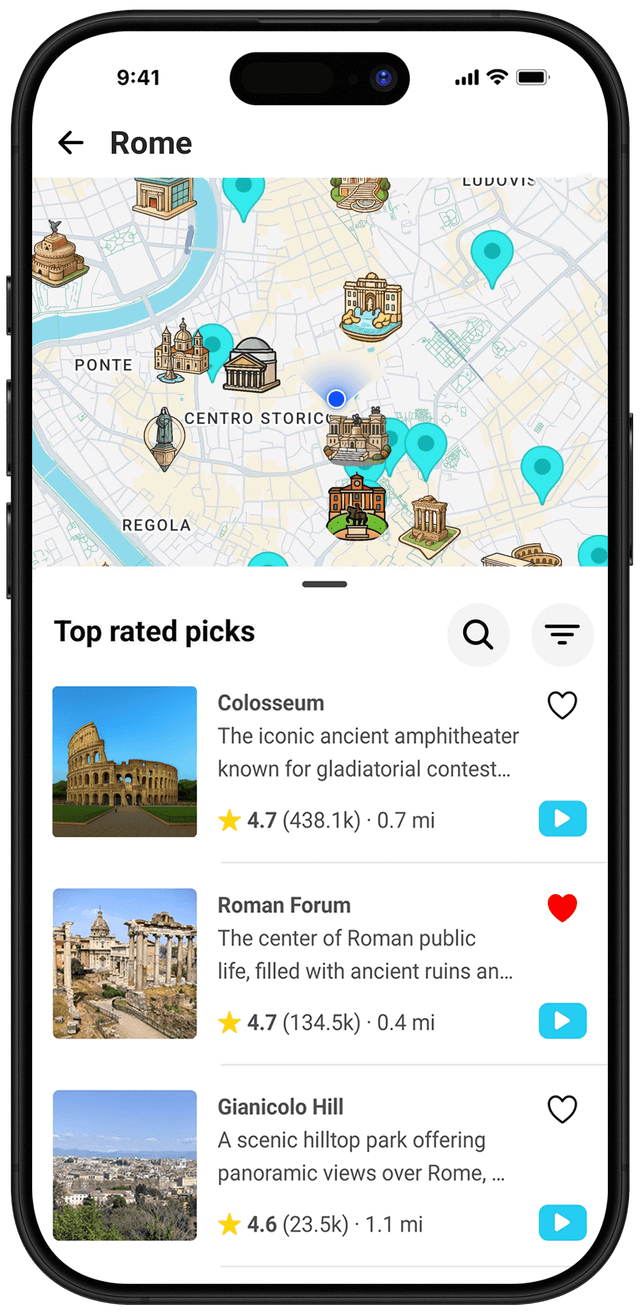
Make the most of your trip with the Travi App
Audio Guides
Professional narrated stories that you can listen to on your own schedule.
Snap & Learn
Point your camera at any monument to instantly identify it and hear its history.
Itineraries
Browse curated day-by-day plans, customize them to fit your style, or build your own from scratch and share with friends.