

6 Days in Kyoto
6 Days in Kyoto
Day 1: Imperial Legacy and Sacred Spaces
Explore some of Kyoto’s most revered landmarks, as shimmering temple pavilions, Zen minimalism, imperial grandeur, and lantern-lit shrine gates reveal the depth and beauty of Japan’s cultural and spiritual legacy.
Morning
Optional add-on: Take an early morning bike ride along the Kamo River.
Explore Kinkaku-ji (Golden Pavilion), where the shimmering gold-leaf temple reflects over the surrounding pond, and Ryoan-ji Temple, which is famed for its minimalist rock garden.
Requirements for respectful/modest attire apply at temples, shrines, and other religious sites. Visitors should avoid disrupting prayer rituals and remain mindful of posted customs.
Afternoon
Explore the Kyoto Imperial Palace, the historic residence of Japan’s emperors, where ornate architecture, serene gardens, and ceremonial halls showcase centuries of imperial tradition.
Continue on to Nijo Castle, renowned for its ornate interiors, “nightingale floors,” and expansive gardens. Immerse yourself in the history of the Tokugawa shogunate while strolling through its fortified halls.
Evening
Conclude the day at Fushimi Inari Taisha, walking beneath its tunnels of vermilion torii gates lit up by lanterns.
Day 2: Scenic Wonders and Culinary Delights
Discover Kyoto’s scenic beauty and historic landmarks, from serene bamboo groves and river landscapes to majestic castles and lively markets.
Morning
Begin your day at the Arashiyama Bamboo Grove, wandering through towering stalks and capturing the ethereal morning light. Make time to take in the views from the nearby Togetsukyo Bridge.
Optional add-on: Visit Arashiyama Monkey Park Iwatayama, which offers a scenic hillside hike culminating in panoramic views over Kyoto and the chance to observe wild Japanese macaques roaming freely in their natural habitat.
Then head to Tenryu-ji Temple, best known for its Zen landscape garden. Requirements for respectful/modest attire apply at temples, shrines, and other religious sites. Visitors should avoid disrupting prayer rituals and remain mindful of posted customs.
Afternoon
Continue your day on the Sagano Romantic Train, which follows the Hozugawa river past forested hills for a unique perspective on the natural beauty of the river’s gorge.
Head back to central Kyoto to experience a hands-on traditional sweets workshop, where you can shape delicate wagashi or create soft, chewy mochi, learning the artistry and seasonal symbolism behind these iconic Japanese confections.
Later in the afternoon, continue on to Nishiki Market, Kyoto’s bustling food street. Sample local specialties such as pickles, yuba (tofu skin), tako tamago (baby octopus with quail egg), and waygu beef skewers while wandering the narrow, covered arcade lined with traditional shops.
Evening
When the stalls start closing up at Nishiki Market, find a local restaurant for dinner. Then head to Kyoto Tower to take in a panoramic view of the city lights.
Day 3: Classic Elegance and Living Traditions
Immerse yourself in a day that brings together hillside temples, refined tea traditions, preserved wooden streets, and lantern-lit alleys to reflect a graceful blend of heritage, artistry, and living culture.
Morning
Head over to Kiyomizudera, known for its massive wooden stage built without nails and the eleven-faced, thousand-armed Kannon statue. Requirements for respectful/modest attire apply at temples, shrines, and other religious sites. Visitors should avoid disrupting prayer rituals and remain mindful of posted customs.
Then participate in a workshop for a traditional Japanese tea ceremony nearby.
Optional add-on: Spend some time exploring Sannenzaka and Ninenzaka Streets, a preservation district filled with traditional wooden shophouses, tea houses, and craft shops.
Afternoon
Immerse yourself in the stunning hall of 1,001 statues of Kannon, the Buddhist goddess of mercy at Sanjusangen-do.
Then continue on to Kodai-ji Temple, known for its elegant gardens, bamboo groves, and historic tea houses. Stop for a photo op of Yasaka Pagoda, one of Kyoto’s most iconic skyline views with the five-story pagoda framed by charming traditional streets.
Evening
Stop for dinner at Pontocho Alley and enjoy Kyoto specialties such as yudofu (tofu hot pot) or matcha sweets.
Stroll through the historic Gion district, taking in traditional wooden machiya houses and quaint tea shops. Consider renting a kimono or other traditional Japanese wear for the stroll.
Plan to catch a Gion Corner performance featuring various traditional Japanese art forms, ranging from puppetry to dance, and to take in the sight of Yasaka Shrine illuminated by hundreds of lanterns.
Day 4: Nara’s Temples and Timeless Streets
Step outside Kyoto for a day of historic temples and charming streets, with time to explore local shops before returning to the city.
Morning
Board the shinkansen for an early trip to Nara, then head to Kofuku-ji Temple, the family temple of the Fujiwara clan. Next, wander through Nara Park, where tame deer roam freely and might bow to you to get a treat.
Requirements for respectful/modest attire apply at temples, shrines, and other religious sites. Visitors should avoid disrupting prayer rituals and remain mindful of posted customs.
Optional add-on: Visit Isui-en Garden to compare its two distinct garden styles.
Continue to Todai-ji Temple, home to the massive Great Buddha statue. It is said that if you can fit through the opening in the wooden pillar near the Buddha that you will be blessed with good luck and health.
Afternoon
Enjoy lunch in the Naramachi district, Nara’s historic merchant neighborhood, and explore its boutique shops and traditional streets. If you’re lucky, you might catch a demonstration of mochi pounding through the windows of Nakatanidou, a famous spot in Nara for mochi.
Evening
Conclude the day at Kasuga Taisha Shrine, where vivid vermilion buildings and thousands of lanterns create a magical atmosphere, and then head back to Kyoto.
Day 5: Architectural Wonders and Sake Heritage
Explore Kyoto’s refined architectural heritage and the storied world of sake.
Morning
Start the day off at Katsura Imperial Villa, which is a masterpiece of Japanese architecture and garden design, showcasing minimalist wooden structures, meticulously arranged gardens, and harmonious integration of indoor and outdoor spaces that reflect aristocratic life in the 17th century.
Afternoon
Delve into Kyoto’s brewing culture at the Gekkeikan Okura Sake Museum, where you can learn about centuries-old sake production techniques, see traditional tools, and sample regional varieties.
Evening
Explore the Fushimi Sake District, hopping between breweries and tasting rooms, gaining firsthand insight into the region’s status as one of Japan’s premier sake-producing areas. If time permits, participate in a sake tasting workshop.
Day 6: From Serene Paths to Digital Wonders
Combine reflective strolls, traditional craftsmanship, and futuristic creativity for a day that spans Kyoto’s contemplative history and cutting-edge artistry.
Morning
Take a serene walk along the Philosopher’s Path, starting at **Ginkaku-ji **(Silver Pavilion) and ending near Nanzen-ji, enjoying peaceful canals, seasonal flora, and hidden temples along the way.
Requirements for respectful/modest attire apply at temples, shrines, and other religious sites. Visitors should avoid disrupting prayer rituals and remain mindful of posted customs.
Afternoon
Then head to the Nishijin Textile Center, which showcases traditional Japanese weaving through a museum, artisan demonstrations of handweaving and silk spinning, daily kimono fashion shows, and a large retail shop. If time permits, participate in a silk workshop.
Evening
Conclude with a visit to teamLab Biovortex Kyoto, an immersive experience where light, sound, and interactive installations.
Options for Bad Weather
In case of bad weather, visit the:
- Kyoto National Museum to learn about Japanese history through fine art and handicrafts, including sacred pieces from temples and shrines
- Kyoto City Kyocera Museum of Art to see art ranging from 19th-century pieces to contemporary work, including anime and manga
- Kyoto Railway Museum to learn about locomotion from steam engines to the shinkansen
- Kyoto International Manga Museum to explore the extensive collection of manga, as well as to learn about the history of manga
Optional Trip Extension
To extend your time in Kyoto, consider taking a matcha-focused day trip to Uji. While there, visit the Chazuna Tea Museum to learn about the history of Uji tea and the Wazuka Tea Fields to develop an understanding of how tea is grown and produced. Include a break at a cafe that specializes in matcha before returning to Kyoto.
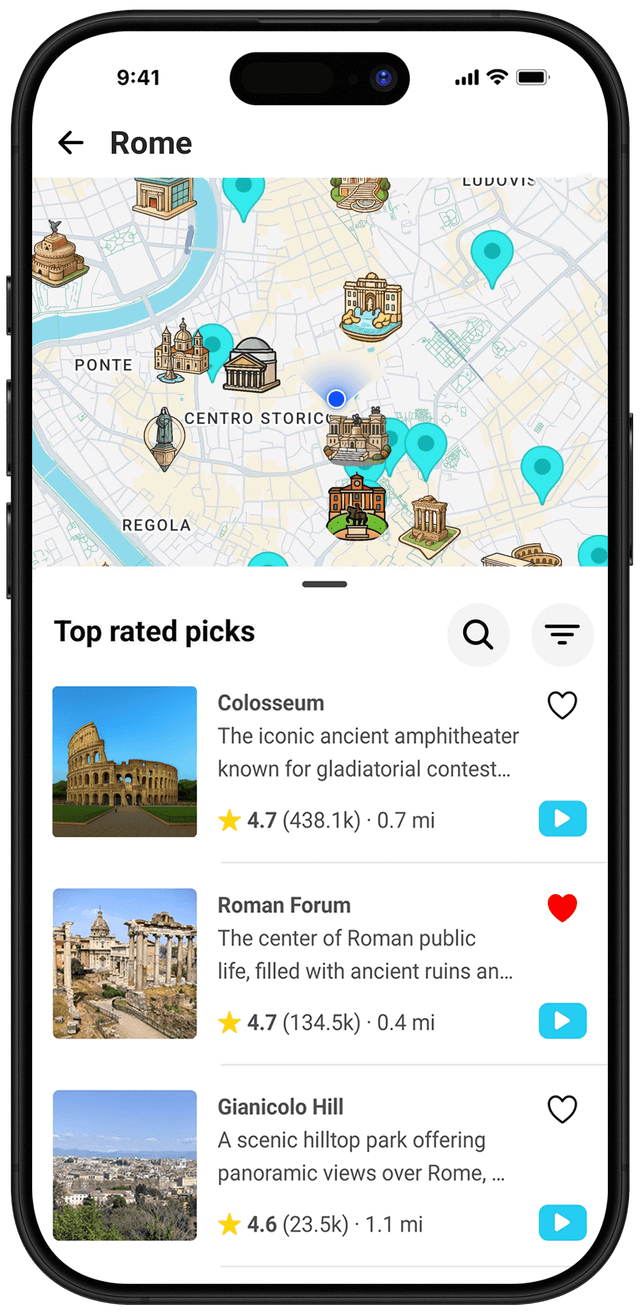
Make the most of your trip with the Travi App
Audio Guides
Professional narrated stories that you can listen to on your own schedule.
Snap & Learn
Point your camera at any monument to instantly identify it and hear its history.
Itineraries
Browse curated day-by-day plans, customize them to fit your style, or build your own from scratch and share with friends.