

3 Days in Hanoi: History and Memory
3 Days in Hanoi: History and Memory
Day 1: From Imperial Capital to Merchant Street
Step back in time to explore Hanoi’s imperial origins, scholarly traditions, and the everyday life of its historic streets.
Morning
Optional add-on: Start the day at the Quan Thanh Pagoda, one of the ancient guardian temples of the city. Requirements for respectful/modest attire apply at temples, mosques, and other religious sites. Visitors should avoid disrupting religious observances and remain mindful of posted customs.
Visit the Imperial City of Thang Long, the political heart of Vietnam for over a millennium. Explore the archaeological remains, ceremonial gates, and courtyards. Include a stop at the Flag Tower of Hanoi, a symbol of Vietnamese resilience and resistance against French colonial rule.
Continue to the Temple of Literature, Vietnam’s first national university.
Afternoon
Visit the Traditional House of the Hanoi or the Old House at 87 Ma May Street to gain insight into traditional merchant family life, architecture, and domestic customs.
Continue on to the Bach Ma Temple, one of Hanoi’s oldest religious sites, to deepen your understanding of the spiritual practices that anchored neighborhood life in Hanoi.
Evening
As the day winds down, enjoy a cyclo ride through the Old Quarter at sunset, when streets come alive with evening commerce and social activity.
Conclude the evening at the Thang Long Water Puppet Theatre, where a traditional performance rooted in Red River Delta village culture brings folklore, history, and agricultural life alive on the stage.
Day 2: Colonial Rule and the Birth of Modern Vietnam
This day traces Hanoi’s transformation under French colonial rule and the emergence of modern Vietnam through architecture, history, and culture.
Morning
Optional add-on: Begin with a photo stop at Long Bien Bridge, a French-designed bridge that was repaired after being damaged by bombs.
Visit the House 48 Hang Ngang, a modest merchant home where Ho Chi Minh drafted the Declaration of Independence in 1945.
Then head to St. Joseph’s Cathedral, a neo-Gothic landmark that reflects French colonial influence and the role of Catholicism in Hanoi. Together, these stops highlight the contrast between colonial authority and the Vietnamese movement toward self-determination.
Requirements for respectful/modest attire apply at temples, mosques, and other religious sites. Visitors should avoid disrupting religious observances and remain mindful of posted customs.
Afternoon
Visit the Vietnam National Museum of History, which traces the country’s development from ancient civilizations through the colonial period and into the modern era.
Evening
Head to the French Quarter for dinner, enjoying its wide boulevards, tree-lined streets, and grand colonial buildings during a post-dinner stroll. Make sure to include stop to examine the exterior of the Hanoi Opera House, a prime example of French neoclassical architecture.
Day 3: Revolution, Resistance, and Remembrance
Explore Hanoi’s modern history through the life of Ho Chi Minh, wartime struggles, and the enduring memory of national resilience. Choose which of the museums best align with your interests and adjust the time spent at each accordingly.
Morning
Get an early start to the day at the Ho Chi Minh Mausoleum, an important national site dedicated to Vietnam’s revolutionary leader. Consult relevant dress codes before your visit.
Continue through the surrounding grounds to see Ho Chi Minh's Stilt House, followed by Ba Dinh Square, where the Declaration of Independence was read.
Optional add-ons: Visit the nearby One Pillar Pagoda, a Buddhist structure set above a lotus pond.
Spend some time at the Ho Chi Minh Museum for an in-depth exploration of the revolutionary leader and his role in the struggle for Vietnam's independence.
Then head to the B52 Victory Museum to view the displays of the wreckage of a B-52 and other pieces of military hardware.
Afternoon
Head to the Vietnam Military History Museum for a deeper understanding of the nation's struggle for independence through exhibits that include tanks, aircraft, and weaponry.
Continue on to Hoa Lo Prison, also known as the “Hanoi Hilton,” which recounts the experiences of Vietnamese revolutionaries and American POWs alike.
Evening
Conclude the day with a drink at the Sofitel Legend Metropol Hanoi, which opened in 1901. Guests of the hotel can take the hotel’s Path of History tour, which includes an underground air-raid bunker that was used to shelter guests and staff during wartime.
Options for Bad Weather
In case of bad weather, visit the Vietnamese Women’s Museum, which highlights the roles of women in Vietnamese family life, history, and society. Exhibits cover topics such as traditional dress, marriage customs, daily work, and cultural practices across different regions of the country.
Optional Trip Extension
To extend your time in Hanoi, consider adding a day trip to Hoa Lu, an ancient capital of Vietnam.
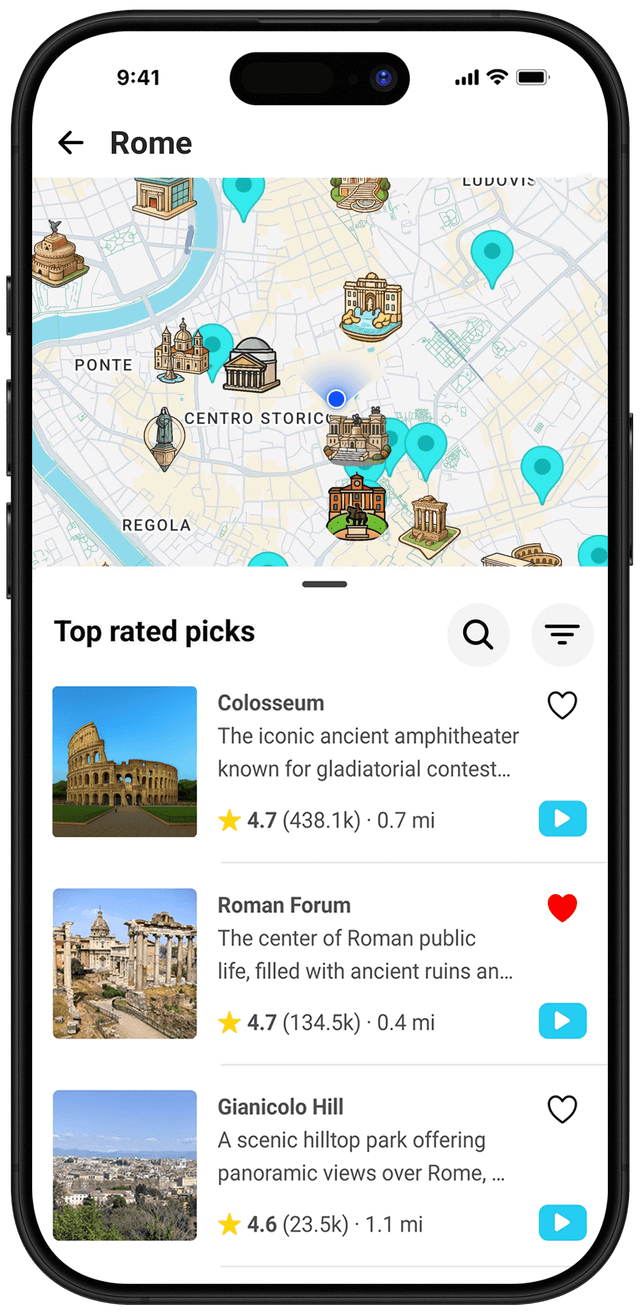
Make the most of your trip with the Travi App
Audio Guides
Professional narrated stories that you can listen to on your own schedule.
Snap & Learn
Point your camera at any monument to instantly identify it and hear its history.
Itineraries
Browse curated day-by-day plans, customize them to fit your style, or build your own from scratch and share with friends.